Detective Stories

Mercè Ferrán, diálogo en profundidad

Mercè Ferrán: ocho años liderando la profesión desde la responsabilidad, la innovación y la visión de futuro


Tras ocho años al frente del Col·legi Oficial de Detectius Privats de Catalunya, Mercè Ferrán concluye una etapa histórica para la profesión. Primera mujer en ocupar el cargo de Decana, ha liderado el colegio en un periodo marcado por importantes cambios tecnológicos, normativos y sociales. Conversamos con ella sobre su trayectoria, los retos afrontados, los logros alcanzados y el futuro de la investigación privada.

La Mujer


Usted ha sido la primera mujer en ocupar el cargo de Decana del Colegio Oficial de Detectives Privados de Cataluña. ¿Qué significado tiene para usted este hito?

Convertirme en la primera mujer Decana del CODPCAT ha significado un enorme reto y una gran oportunidad. Me siento afortunada y estoy muy agradecida por la confianza depositada en mí a lo largo de estos años. Podría considerarse un hito porque, sencillamente, no había sucedido antes… y espero que también haya contribuido a normalizar la presencia de la mujer en los espacios de responsabilidad de nuestra profesión. Creo que ser elegida supuso un desafío tanto para mí como para todos mis interlocutores.
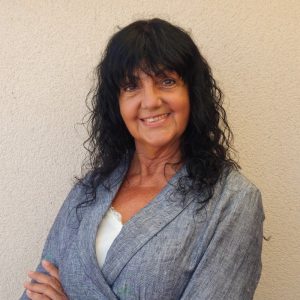
 

Mercè Ferrán, Decana del Col.legi Oficial de Detectius Privats de Catalunya.


¿Sintió en algún momento que el hecho de ser mujer suponía una dificultad añadida dentro de la profesión o de las instituciones?

En mi experiencia, no. En ningún momento. Es cierto que, durante muchos años, la presencia femenina en la profesión ha sido menor, pero también lo es que la figura de la mujer en el sector ha sido respetada y valorada. De hecho, en el ámbito de la seguridad privada somos el colectivo con mayor porcentaje de mujeres, aproximadamente un 30 % y al alza.

¿Cómo ha evolucionado la presencia femenina en la investigación privada desde que comenzó su carrera hasta la actualidad?

Estadísticamente, podemos afirmar que cada vez son más mujeres las que acceden a la profesión. Hay tareas relacionadas con nuestro trabajo en las que las mujeres aportamos habilidades y sensibilidades que pueden resultar especialmente valiosas. Tenemos capacidades que nos permiten ser muy eficaces en determinados entornos y nos seguiremos adaptando a las nuevas necesidades competenciales.

¿Qué consejo daría a las jóvenes que desean desarrollar una carrera como detectives privadas?

Lo esencial es que tomen la decisión de ser detectives y que luchen para crecer personal y profesionalmente. Todo va de la mano y no debemos obviarlo. También les diría que sean profesionales flexibles, con capacidad de adaptación y mentalidad abierta, porque la profesión evoluciona constantemente y exige aprender y reinventarse de manera permanente.

Honestidad, formación continuada, buen hacer, placer en el desempeño, ilusión por los logros, autocrítica constructiva para la mejora y buenas alianzas con otros profesionales… todo ello acaba transformándose en excelencia, y la excelencia es lo que hace verdaderamente relevante a una profesión.

Y les aconsejaría que se colegiaran en el CODPCAT. Estar colegiado/a fortalece la sensación de pertenencia al colectivo. Las nuevas generaciones son imprescindibles para que la profesión siga avanzando y continúe integrando pensamiento innovador y nuevas formas de entender el trabajo que hacemos.
 

Logo Col.legi Oficial de Detectius Privats de Catalunya

La Detective


¿Qué le atrajo originalmente de la profesión de detective privado?

De pequeña ya jugaba a investigar… me gustaban las pelis y series de investigación. En ese marco, entender los razonamientos, las deducciones de los protagonistas, las coartadas… Como espectadora, poder establecer el quién, cómo y cuándo, con quién, por y para qué…

¿Cómo ha cambiado el trabajo del detective durante las últimas décadas?

Ha evolucionado con la incorporación de las nuevas tecnologías que, a su vez, añaden formas distintas de operar. Pensemos, por ejemplo, en cuando se trabajaba sin móviles o en cuando no existía internet… En mi opinión, los objetivos de nuestro trabajo no han cambiado tanto; seguimos cubriendo necesidades informativas y aportando pruebas. Lo que ha cambiado radicalmente son las herramientas y la velocidad con la que hoy se genera y procesa la información. Además, lógicamente, de la incorporación de servicios directamente derivados de las nuevas tecnologías (por ejemplo, antes no existían investigaciones ciber o cripto…)

¿Qué impacto han tenido las nuevas tecnologías y la inteligencia artificial en la investigación privada?

Un impacto importante en cuanto a cambios en los procedimientos de recogida de datos, estudio de los mismos y en la inmediatez en su consecución, entre otros. Aunque verdaderamente los trámites se agilizan, hay que ser muy escrupuloso en la revisión y verificación de las informaciones obtenidas y en los resultados de los análisis que la IA puede aportarnos. La inteligencia artificial puede ayudarnos a encontrar respuestas, pero nunca debe sustituir el criterio profesional del detective … hay que comprobar datos, cotejar con otras fuentes y, en especial, aplicar el sentido común.

¿Cuáles considera que son actualmente las principales fortalezas de los detectives privados españoles?

El conocimiento profundo de nuestro trabajo, la formación y múlgiples requisitos necesarios para el ejercicio en España, así como la firme voluntad de ser considerados como profesionales con un papel social fundamental. Sin la aportación de prueba, en muchas ocasiones, no es posible la defensa de los intereses de la ciudadanía. Esencialmente, los detectives contribuimos en este aspecto. Sin evidencias, puede existir especulación y teorías, pero no una realidad de los hechos probada.

En resumen, el detective privado español es un profesional muy bien cualificado y altamente especializado.

La Decana


¿Cuál considera que ha sido el principal logro de estos ocho años al frente del Colegio?

La actualización y renovación del Colegio, partiendo de una revisión profunda y responsable de su estructura funcional, la actualización de los estatutos y una especial atención a las necesidades de los colegiados/as, así como a las de la propia institución. El cambio de ubicación de la sede colegial permitió convertir este espacio en la “Casa del Detective”, desde donde se impulsan eventos y encuentros de distintas índoles promoviendo la proximidad entre los colegiados/as, que además cuentan con espacios privados para celebrar sus reuniones profesionales. He de hacer referencia también al trato personalizado que proporcionamos a los colegiados/as y, en ese aspecto, me gustaría destacar la excelente labor que realiza Alicia Méndez al frente de la administración del Colegio. También se ha apostado por dar a conocer la profesión y la importancia de la colegiación a través de las redes sociales, en especial, con la creación del perfil de LinkedIn del Colegio y la modernización de la página web. A todo ello, se suma el establecimiento de nuevos vínculos y sinergias con otros colectivos e instituciones.

Todo ello ha contribuido a reforzar el prestigio del Colegio y a poner en valor la colegiación como elemento de garantía, pertenencia y fortalecimiento de la profesión.

Hay otros logros institucionales, algunos de ellos compartidos con los Colegios de Valencia y Galicia, como por ejemplo impulsar la creación del Consejo General de Colegios Profesionales de Detectives Privados de España.

Nada de ello habría sido posible sin el compromiso de las personas que han formado parte de las dos Juntas de Gobierno que me han acompañado y sin la dedicación silenciosa y permanente de la secretaria de la Junta, Gemma Díaz, que ha sido un apoyo constante durante estos ocho años.

¿Qué proyectos le producen una mayor satisfacción personal?

Los proyectos especialmente satisfactorios para mí son aquellos que contribuyen al progreso de la profesión y a la mejora de las condiciones de su ejercicio. Aquellos que se desarrollan con inequívoca voluntad de consensuar para aunar criterios que dignifiquen la imagen de nuestro colectivo ante la sociedad. Los que se hacen desde la transparencia, aproximando a las personas y consiguiendo que los profesionales compartan sus inquietudes y metas.

¿Cuáles han sido los momentos más difíciles que ha tenido que afrontar durante su mandato?

En ocho años de Decanato ha habido muchos desafíos: decisiones difíciles, discrepancias, cambios normativos, incertidumbres…. Pero si he de quedarme con uno, el que primero me viene a la mente son los momentos tan difíciles vividos durante el COVID. La vida se transformó por el confinamiento, la distancia social y el miedo a lo desconocido. La salud y la inseguridad profesional generada por las dudas sobre la posibilidad para ejercer marcaron esa etapa. Recuerdo que la unión del colectivo fue realmente espectacular. Fueron momentos duros, que desde el CODPCAT paliamos con la puesta en marcha del DETCON virtual, conducido por Enrique Arranz, anterior Decano y actual director del C.A.I., donde nos reuníamos cientos de detectives de todo el mundo para básicamente estar juntos, compartir conocimiento, compañía e incluso humor en medio del dolor generado por la pandemia. Se marcó un antes y un después.

¿Cómo ha evolucionado la relación entre los detectives privados y las instituciones públicas durante estos años?

La gestión de las relaciones del Colegio con las instituciones públicas requiere tiempo, perseverancia y lealtad mutua. Conseguir que exista bidireccionalidad fluida con nuestros interlocutores es el resultado de plantear objetivos sólidos y argumentados, así como de generar suficiente confianza, interés e implicación para ser tenidos en cuenta. En este sentido, las relaciones mantenidas por el CODPCAT se han caracterizado por su voluntad de ampliar la reciprocidad y fomentar futuras áreas de colaboración, habiéndose conseguido importantes avances, especialmente con las Fuerzas y Cuerpos de Seguridad y con la Conselleria de Interior.

Asimismo, también se han fortalecido los vínculos con los Colegios de la Abogacía, que, aun no siendo propiamente instituciones públicas, son nexos fundamentales para nuestra profesión. Otra cuestión distinta es la relación que cada detective habilitado pueda mantener a título personal con las instituciones.

¿Qué importancia tienen los colegios profesionales para el futuro de la profesión?

Los colegios profesionales son fundamentales para el desarrollo de la profesión, en el sentido más amplio. Como corporaciones de Derecho Público, los colegios amparan a los profesionales y a la ciudadanía. Este aspecto es especialmente relevante en una profesión como la nuestra, en la que el ejercicio de la actividad puede afectar al ámbito de los derechos fundamentales de clientes e investigados, lo que exige las máximas garantías éticas, deontológicas y de supervisión profesional. Mi visión al respecto es clara: la Investigación Privada debiera ser, necesariamente, de obligada colegiación.

El Legado


Si tuviera que resumir en una frase el legado que desea dejar tras estos ocho años, ¿cuál sería?

Mi legado es sencillo. Se resumiría en mantener una visión y enfoque humano y profesional que trace un futuro digno de ser tenido en cuenta y lleno de oportunidades. Me gustaría que se me recordara como a Mercè, más allá de mi cargo institucional…

Si algo he intentado estos años es que el Colegio estuviera siempre al servicio de las personas y de la profesión.

¿Qué retos considera prioritarios para la próxima generación de responsables colegiales?

Creo que va a ser determinante para el futuro de la profesión la relación que los detectives establezcamos con la IA, por lo que la próxima generación de responsables tendrá que analizar, estudiar, valorar, y encontrar salidas respetuosas para su uso. Puede parecer extraño, pero entiendo que, de ello, va a depender en gran medida, el cómo nos vamos a vincular con ella. Otro reto importante es conseguir que los detectives privados sean colaboradores habituales de la Administración Pública, así como de otras instituciones o corporaciones a las que podemos favorecer con nuestra labor profesional.

¿Qué le gustaría que dijeran los detectives privados sobre su gestión dentro de diez años?

Pues que, en estos ocho años, se sintieron representados por el Colegio y por su Junta de Gobierno. Ese sería un verdadero honor para mí.

¿Cómo imagina la profesión de detective privado dentro de veinte años?

Más que imaginar, desearía ver convertida la Investigación Privada en una profesión de referencia. Nuestro trabajo estaría muy evolucionado y habría (que ya los hay) grandes especialistas en distintos ámbitos de la investigación. La intervención del detective estaría considerada TOP a nivel judicial y social. Me encantaría saber que se ha logrado la creación de la figura del detective privado de oficio, entre otras cuestiones…

¿Qué mensaje le gustaría transmitir a todos los detectives privados que leerán esta entrevista?

Que la Investigación Privada es una maravillosa profesión. Es un reto en sí misma. Que no tiene techo a ningún nivel.


Logo Col.legi Oficial de Detectius Privats de Catalunya


Interview with Mercè Ferrán

Dean of the Official College of Private Detectives of Catalonia

Mercè Ferrán, in-depth dialogue

Eight Years Leading the Profession Through Responsibility, Innovation and a Vision for the Future

After eight years as Dean of the Official College of Private Detectives of Catalonia (CODPCAT), Mercè Ferrán concludes a historic chapter for the profession. As the first woman to hold this position, she has led the College through a period marked by significant technological, regulatory and social changes. In this interview, she reflects on her professional journey, the challenges she has faced, the achievements accomplished and the future of private investigation.

The Woman


You have been the first woman to serve as Dean of the Official College of Private Detectives of Catalonia. What does this milestone mean to you?

Becoming the first female Dean of CODPCAT has represented both an enormous challenge and a great opportunity. I feel fortunate and deeply grateful for the trust that has been placed in me throughout these years.

It could certainly be considered a milestone because, quite simply, it had never happened before… and I hope it has also helped normalize the presence of women in positions of responsibility within our profession.

I believe that being elected represented a challenge both for me and for everyone with whom I worked.

Did you ever feel that being a woman represented an additional challenge within the profession or in dealing with institutions?

In my experience, no. Not at any time.

It is true that, for many years, the presence of women in the profession was lower, but it is equally true that women have always been respected and valued within the sector.

In fact, within the private security field, we are the professional group with the highest percentage of women, approximately 30%, and that figure continues to grow.

How has the presence of women in private investigation evolved since you began your career?

Statistically, we can say that more and more women are entering the profession.

There are aspects of our work in which women contribute skills and sensitivities that can be especially valuable. We possess abilities that enable us to be highly effective in certain environments, and we will continue adapting to the new professional competencies that the future demands.

What advice would you give to young women who wish to pursue a career as private detectives?

The most important thing is that they make the decision to become private detectives and strive to grow both personally and professionally. The two go hand in hand, and we should never overlook that.

I would also encourage them to be flexible professionals, capable of adapting and maintaining an open mind, because our profession is constantly evolving and requires continuous learning and reinvention.

Honesty, ongoing education, professional excellence, enjoyment in one’s work, enthusiasm for achievements, constructive self-criticism for continuous improvement, and building strong alliances with other professionals… all of these ultimately lead to excellence, and excellence is what truly makes a profession meaningful.

I would also encourage them to become members of CODPCAT. Being a member strengthens one’s sense of belonging to the profession.

The new generations are essential if our profession is to continue moving forward while embracing innovative thinking and new ways of understanding the work we do.

Mercè Ferrán, Decana del Col.legi Oficial de Detectius Privats de Cataluña

The Private Detective


What originally attracted you to the profession of private investigation?

As a child, I was already fascinated by investigating… I loved detective films and television series.

I enjoyed following the reasoning behind the investigations, understanding the protagonists’ deductions, and unraveling alibis. As a viewer, I was always trying to determine who, how, when, with whom, why, and for what purpose…

How has the work of private detectives changed over the past decades?

The profession has evolved with the incorporation of new technologies, which have introduced entirely new ways of operating.

Just think about what it was like to work before mobile phones or before the Internet even existed…

In my opinion, the objectives of our work have not changed that much. We continue to meet our clients’ information needs and provide evidence. What has changed dramatically are the tools we use and the speed at which information is generated and processed today.

Naturally, new technologies have also given rise to entirely new investigative services. For example, cyber investigations and cryptocurrency-related investigations simply did not exist in the past.

What impact have new technologies and artificial intelligence had on private investigation?

They have had a significant impact on the way we collect data, analyze information, and obtain results much more quickly, among many other aspects.

Although many processes have become more efficient, we must remain extremely rigorous when reviewing and verifying the information we obtain, as well as the results produced through artificial intelligence.

Artificial intelligence can certainly help us find answers, but it should never replace the professional judgment of a private detective.

We must always verify the data, cross-check it with other sources and, above all, apply common sense.

What do you consider to be the greatest strengths of Spanish private detectives today?

Our greatest strengths lie in our in-depth professional knowledge, our extensive training, and the many legal and professional requirements necessary to practice in Spain, together with our firm commitment to being recognized as professionals who play a fundamental role in society.

In many cases, without evidence, citizens cannot properly defend their rights and legitimate interests. This is where private detectives make an essential contribution.

Without evidence, there may be speculation and theories, but there is no proven reality.

In short, the Spanish private detective is a highly qualified and highly specialized professional.

The Dean


What do you consider to have been the greatest achievement of your eight years leading the College?

The greatest achievement has been the modernization and renewal of the College, beginning with a thorough and responsible review of its organizational structure, the updating of its bylaws, and a strong commitment to addressing both the needs of our members and those of the institution itself.

Relocating the College headquarters allowed us to transform it into the «Detective’s House,» a space where events and professional gatherings are held, fostering closer relationships among our members while also providing private meeting rooms for their professional activities.

I would also like to highlight the personalized service we provide to our members. In this regard, I would especially like to acknowledge the outstanding work carried out by Alicia Méndez, who manages the College’s administration.

We have also worked to raise awareness of the profession and the importance of professional membership through social media, particularly by creating the College’s LinkedIn profile and modernizing our website.

In addition, we have established new partnerships and collaborative relationships with other professional organizations and institutions.

All these initiatives have helped strengthen the prestige of the College while reinforcing the value of membership as a guarantee of professionalism, a sense of belonging, and the continued strengthening of our profession.

There have also been other institutional achievements, some of them shared with the Colleges of Valencia and Galicia, such as promoting the creation of the General Council of Professional Colleges of Private Detectives of Spain.

None of this would have been possible without the commitment of the members of the two Governing Boards that have accompanied me throughout these eight years, nor without the quiet and unwavering dedication of the Board Secretary, Gemma Díaz, whose support has been constant throughout my term of office.

Which projects have given you the greatest personal satisfaction?

The projects that have given me the greatest satisfaction are those that contribute to the progress of the profession and to improving the conditions under which it is practiced.

They are the projects developed with a genuine willingness to build consensus, bringing together different perspectives in order to strengthen the public image of our profession.

They are also the initiatives carried out with transparency, bringing people closer together and encouraging professionals to share their concerns, aspirations, and goals.

What have been the most difficult moments you have faced during your term as Dean?

Over the course of eight years as Dean, there have been many challenges: difficult decisions, disagreements, legislative changes, and periods of uncertainty.

However, if I had to choose one, the first that comes to mind would be the extremely difficult period of the COVID-19 pandemic.

Life was transformed by lockdowns, social distancing, and the fear of the unknown. Concerns about health, together with the professional uncertainty surrounding our ability to continue working, marked that period.

I vividly remember the extraordinary unity shown by our profession.

They were difficult times, and from CODPCAT we sought to ease the situation by launching the virtual DETCON, hosted by Enrique Arranz, former Dean and current Director of the C.A.I., where hundreds of private detectives from around the world came together primarily to stay connected, share knowledge, support one another, and even find moments of humor amidst the hardship caused by the pandemic.

It marked a turning point for our profession.

How has the relationship between private detectives and public institutions evolved during these years?

Managing the College’s relationships with public institutions requires time, perseverance, and mutual loyalty.

Building smooth, two-way communication with our institutional counterparts is the result of establishing solid, well-founded objectives while generating the trust, interest, and commitment necessary to ensure that our profession is taken seriously.

In this respect, the relationships developed by CODPCAT have been characterized by a willingness to strengthen cooperation and promote new areas of collaboration.

Significant progress has been achieved, particularly with the Law Enforcement Agencies and the Department of the Interior of the Government of Catalonia.

At the same time, we have also strengthened our ties with the Bar Associations, which, although they are not public institutions, are fundamental partners for our profession.

A different matter, of course, is the relationship that each licensed private detective may establish individually with public institutions.

How important are professional associations to the future of the profession?

Professional associations are essential to the development of the profession in its broadest sense.

As Public Law Corporations, they protect both professionals and the public.

This is particularly important in a profession such as ours, where the practice of private investigation may affect the fundamental rights of both clients and the individuals being investigated. For that reason, the highest ethical standards, professional oversight, and compliance with our code of conduct are indispensable.

My position on this matter is clear:

Private Investigation should, by its very nature, require mandatory membership in the corresponding professional association.

Legacy


If you had to summarize in one sentence the legacy you would like to leave after these eight years, what would it be?

My legacy is simple.

It can be summed up as maintaining a human and professional vision capable of building a future worthy of consideration and full of opportunities.

I would like people to remember me simply as Mercè, beyond my institutional position.

If there is one thing I have tried to achieve throughout these years, it is to ensure that the College has always remained at the service of both people and the profession.

What do you consider to be the main challenges for the next generation of College leaders?

I believe that one of the defining factors for the future of our profession will be the relationship private detectives establish with Artificial Intelligence.

The next generation of professional leaders will need to analyze, study, assess, and develop responsible approaches to its use.

It may sound surprising, but I truly believe that the way we relate to Artificial Intelligence will largely determine the future of our profession.

Another major challenge will be ensuring that private detectives become regular collaborators with Public Administration, as well as with other institutions and organizations that can benefit from our professional expertise.

What would you like private detectives to say about your work ten years from now?

I would like them to say that, throughout these eight years, they felt represented by the College and by its Governing Board.

That would be a true honor for me.

How do you imagine the private detective profession twenty years from now?

Rather than imagining it, I would like to see Private Investigation become a benchmark profession.

Our work will have evolved significantly, with outstanding specialists—who already exist today—in many different fields of investigation.

The contribution of private detectives will be regarded as a top-level professional resource, both within the judicial system and by society as a whole.

I would also love to see the creation of the court-appointed private detective, among many other important developments.

What message would you like to convey to all the private detectives who will read this interview?

Private Investigation is a wonderful profession.

It is a challenge in itself.

And it has no limits to what it can achieve.

Scroll al inicio
Detective Stories
Resumen de privacidad

Esta web utiliza cookies para que podamos ofrecerte la mejor experiencia de usuario posible. La información de las cookies se almacena en tu navegador y realiza funciones tales como reconocerte cuando vuelves a nuestra web o ayudar a nuestro equipo a comprender qué secciones de la web encuentras más interesantes y útiles.